.png?width=200&height=94&name=Logo%20-%20Violet%20(4).png)

Remember five bidders on auction day and the hammer well over reserve? That market has gone quiet. Now most sales are negotiated one offer at a time: before auction, after it, off market or by private treaty. Without a crowd, the setup decides how the deal ends. Most deals that fall over now don't fail on price. They fail because price was the only thing on the table.
This guide draws on Episode 3 of Josh Phegan's series What to Do When Markets Shift, out 21 October.
How do you negotiate a property sale with only one buyer?
Negotiate the situation before the number. Three habits.
-
Read the vendor and the buyer before you touch the price
Know how the vendor will hear the number before you bring it. Josh's example: "If the owner paid $226,000 for the property in like 1995, I'm telling you they're selling for a great price today at $950,000. If, however, they paid $1.15 million for the property back in January," a $100,000 gap feels very different.

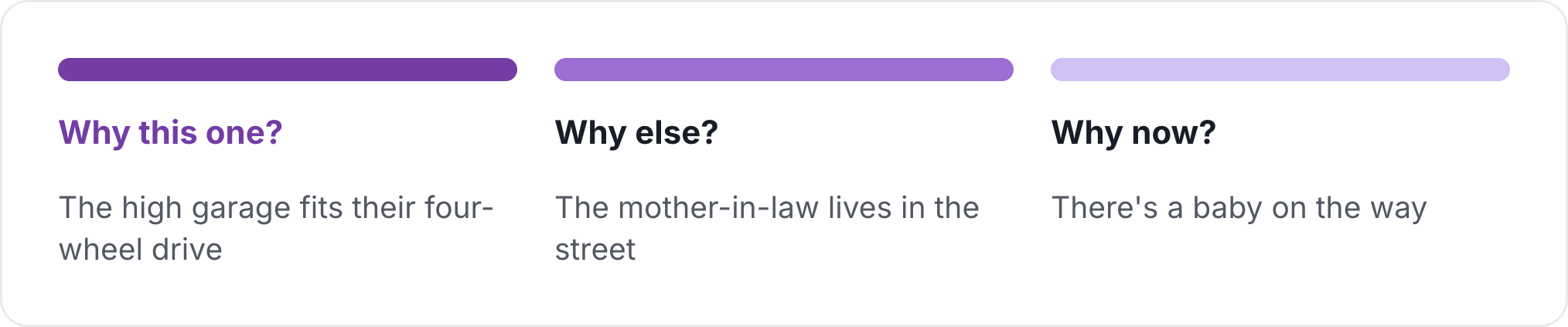
Then read the buyer with three questions: why this one, why else, why now? In Josh's example the high garage fits their four-wheel drive, the mother-in-law lives in the street, and there's a baby on the way. That buyer has more room than their first offer suggests.
- Agree the terms before the price
A great price with bad terms is a delay, not a deal. Work through the offer in order: the buying name or entity, their solicitor or conveyancer, the deposit, the settlement date, the conditions. Price comes last.
Have the pest and building report ready before launch, and the strata report where it applies. Confirm finance. If the buyer is buying with a partner who hasn't seen the home, book that visit for tomorrow before the offer goes further. That one question prevents a common collapse.
- Present the offer in person, ticks first
Ringing the number through is how a good offer gets hung up on. Tell the vendor there's been a development and you need to see them tonight. Walk through each term as a tick, then talk price with both buyers on the table. When they ask what you'd do, have an answer.

Why do private treaty negotiations stall?
Usually because the people who hold the deal together can't be reached when it matters.
There's no second buyer to anchor the price
Josh puts it simply: with a buyer at $900,000 and another at $950,000, the second offer "actually makes that $950,000 look like it's the money, even though the owner's in a position that they'd like that million." Without the second buyer, the vendor has nothing to measure against.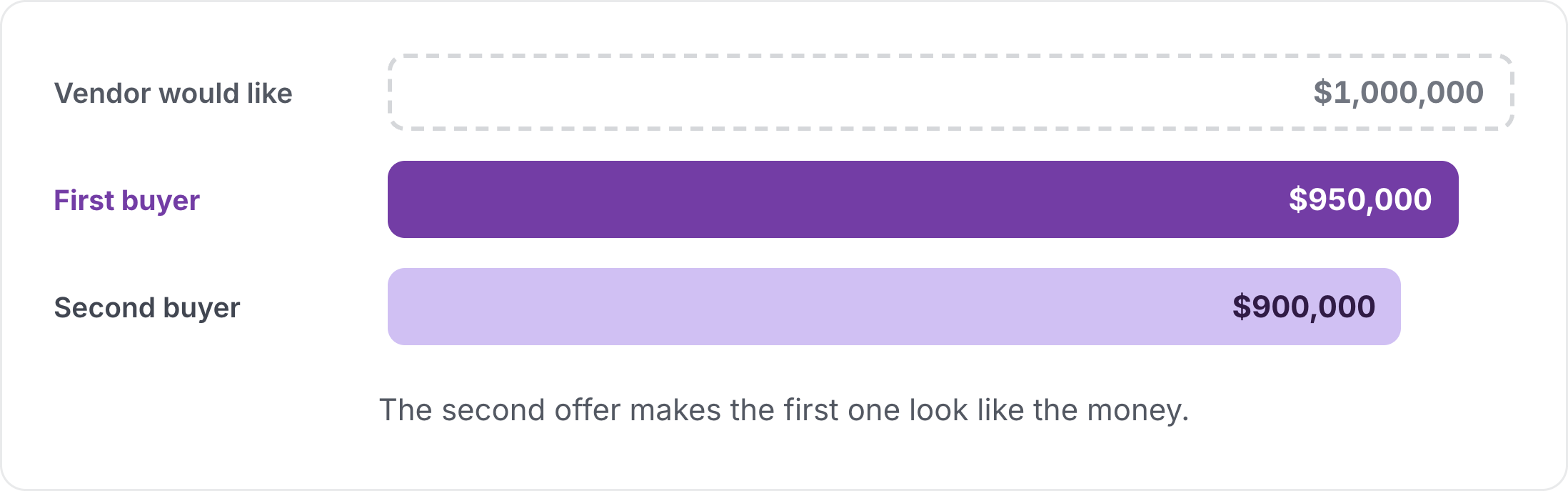
The person you need tonight isn't in your phone
Deals move in hours. The underbidder from a similar campaign, the owner who looked last month, the neighbour who asked to be kept in mind. You know their address. The number in your notes is 18 months old, or was never captured.
What changes when your next buyer is one search away?
How does iD4me help agents find buyers?
In negotiation, timing is leverage. The underbidder you reach tonight is worth more than the one you reach next week.
-
Reach the second buyer the same evening. Search the address of the home they bid on or own, and see the mobile and email on record for the person connected to it while the first offer is still on the table. See the Agent Plan
-
Keep a collapsed deal moving. When a buyer pulls out, search the names on your underbidder list and start the next conversation before the vendor loses heart.
-
Do Not Call Register status before the call. Each number shows its own DNCR status, so you know where you stand before you dial.
The negotiation is still yours.
iD4me shortens the gap between knowing who the next buyer is and talking to them.
Keep going
Great negotiators don't push hardest on price. They read the situation, lock in the terms, present in person and keep the next buyer within reach.
Josh's full negotiation walkthrough is Episode 3, out 21 October. Until then, start with how he finds the second buyer in the first place: watch Episode 1 of What to Do When Markets Shifts.